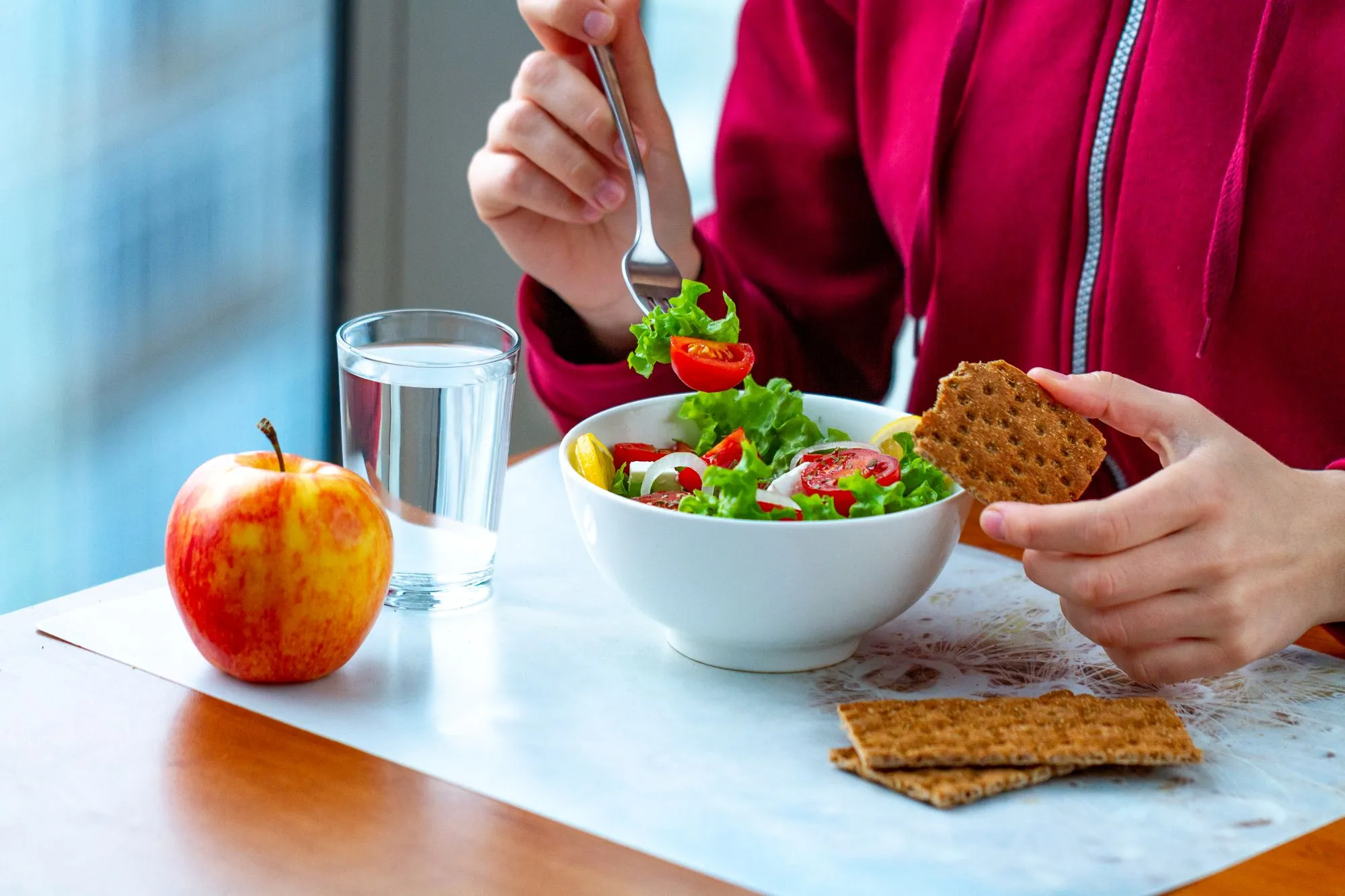
A Simple Guide to Eating Well Every Day
Eating well doesn’t have to be complicated. Small, consistent choices can improve your energy, support your health, and make daily meals more enjoyable. This EatWell guide breaks everything down in easy steps to help you build sustainable, healthy habits. From understanding balanced portions and choosing nutrient-rich foods to staying hydrated and planning simple meals, you’ll learn how to make better decisions without feeling restricted. With a focus on realistic changes you can maintain over time, this guide empowers you to enjoy food while nourishing your body every day.
1. Why Eating Well Matters
Good nutrition fuels your body, supports your immune system, and helps you maintain a healthy weight. When you nourish yourself with balanced meals, you feel more energetic, focused, and ready to take on the day. Eating a variety of whole foods—like fruits, vegetables, lean proteins, whole grains, and healthy fats—gives your body the vitamins and minerals it needs to function at its best. Over time, these healthy choices can improve digestion, strengthen your mood, and reduce the risk of chronic illnesses. By making mindful changes to your eating habits, you build a foundation for long-term health and overall well-being.
2. Build a Balanced Plate
A simple way to start improving your eating habits is to focus on balance. A healthy plate typically includes:
Lean protein: chicken, fish, beans, tofu
Whole grains: brown rice, quinoa, whole-wheat bread
Colorful vegetables: broccoli, spinach, carrots
Healthy fats: nuts, seeds, olive oil
Aim to fill half your plate with vegetables for better fiber and nutrients.
3. Choose Whole Foods Over Processed Foods
Whole foods provide natural vitamins, minerals, and antioxidants your body needs. Try to reduce:
Sugary snacks
Packaged meals
Fried foods
Soft drinks
Instead, choose fresh fruits, vegetables, whole grains, and home-cooked meals whenever possible.
4. Stay Hydrated Throughout the Day
Water plays a big role in digestion, energy, and overall health. A good goal is 6–8 glasses per day, but your needs can vary based on activity and weather. Add lemon, mint, or cucumber for extra flavor.
5. Smart Snacking Habits
Healthy snacks help prevent overeating and keep your energy steady. Try simple options like:
Fruit with peanut butter
Greek yogurt
Nuts and seeds
Vegetables with hummus
Whole-grain crackers
These choices satisfy hunger while supporting your health goals.
6. Practice Mindful Eating
Many people eat quickly or while distracted. Mindful eating helps you enjoy food and recognize when you’re full. Try to:
Mindfulness can reduce overeating and improve digestion.
Frequently Asked Questions